Flawless Base Routine: Step-by-Step for Smooth, Radiant Skin
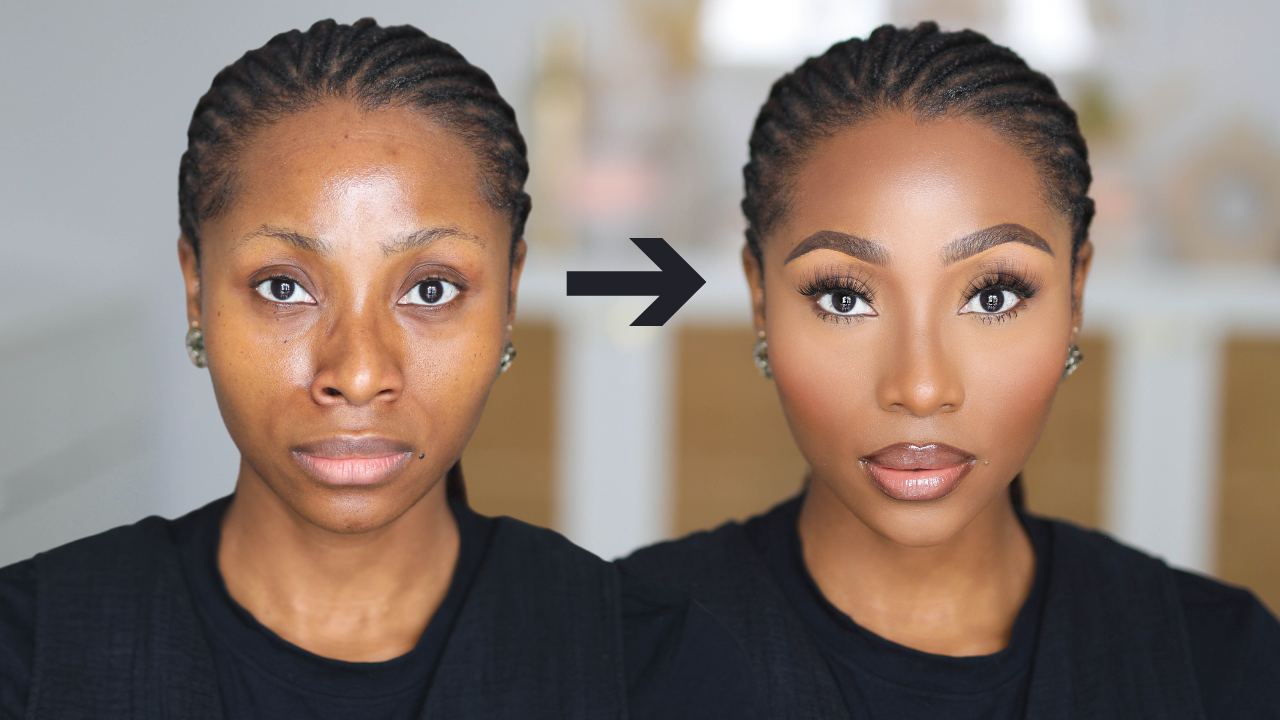
335 views
Foundation can look incredible in the store and strangely terrible on your face.
Five minutes after applying it, you notice the dry patches. Then the pores look larger. The nose starts separating. Concealer settles into tiny lines. By lunchtime, the whole thing has somehow become heavier instead of more natural.
The frustrating part? The foundation may not be the problem.
A smooth makeup base starts before makeup touches the skin. Cleansing, hydration, sunscreen, product compatibility, application pressure, and even how long you let skincare settle can change the final finish. Dermatologists also consistently emphasize gentle cleansing, regular moisturizing, and daily broad-spectrum sun protection rather than piling on a complicated 10-step routine.
Here's a practical routine designed around that reality.
1. Start with clean skin — but don't attack it
The first step is simple: cleanse.
Use a mild facial cleanser and lukewarm water, then gently massage it over the face with your fingertips. Don't scrub as though you're trying to remove a stain from a countertop. That extra friction can irritate the skin and make texture, redness, and breakouts look worse. The American Academy of Dermatology specifically recommends gentle cleansing and warns against scrubbing acne-prone skin.
Pat your face dry with a clean towel.
That's it.
If your skin is dry or sensitive, aggressive cleansing first thing in the morning may actually make your makeup sit worse. AAD guidance notes that people with dry or sensitive skin may find once-daily evening cleansing sufficient, while others may cleanse twice daily.
2. Give dry skin something to work with
A foundation cannot magically create hydrated-looking skin.
If your skin is dehydrated, foundation can emphasize flakes and tiny lines that weren't especially noticeable before. Apply a lightweight moisturizer while the skin still has a little moisture left on it. This helps trap water in the skin rather than leaving the surface completely dry before you begin makeup.
And oily skin isn't automatically exempt.
Dermatologists point out that moisturizers can actually be useful for acne-prone skin, particularly when acne treatments such as benzoyl peroxide, salicylic acid, adapalene, tazarotene, or tretinoin cause dryness or irritation. For acne-prone skin, look for labels such as oil-free, non-comedogenic, or won't clog pores.
Don't apply a huge layer.
A thin, even coat is usually easier to work over with foundation. If your moisturizer leaves a very slippery film, give it several minutes to settle before continuing.
3. Sunscreen belongs underneath the makeup
This is the step people sometimes skip because their foundation says "SPF."
Don't rely on that alone.
The AAD recommends a broad-spectrum, water-resistant sunscreen with SPF 30 or higher, and its guidance specifically places sunscreen after other skincare products and beneath makeup.
The FDA likewise advises applying sunscreen before sun exposure and reapplying at least every two hours, with more frequent application after swimming or sweating.
For a makeup-friendly morning routine:
Cleanse.
Moisturize.
Apply sunscreen.
Let it settle.
Begin makeup.
If you're prone to clogged pores, choose a non-comedogenic facial sunscreen. That's a small label detail that can make a surprisingly big difference over several weeks.
4. Primer isn't mandatory
This is where makeup advice often becomes unnecessarily complicated.
You don't automatically need primer.
If your moisturizer and sunscreen already leave a smooth surface and your foundation wears well, adding another product isn't going to make the routine inherently better. A primer can be useful when you have a specific problem to solve, though.
Large-looking pores? A smoothing primer can soften their appearance.
Excess shine? A mattifying formula may help.
Foundation disappearing quickly? A compatible gripping primer may improve wear.
Dryness? A hydrating primer can provide another layer of slip.
Think of primer as a problem-solving product rather than a compulsory step.
There's another practical issue: product compatibility. If your skincare is still wet or very slippery, rubbing primer over it can cause pilling. Little rolls of product start appearing on the face. Not pretty.
Wait.
Then press the primer onto the areas that actually need it instead of coating your entire face automatically.
5. Choose the foundation finish for your actual skin
A flawless base isn't necessarily the fullest-coverage base.
That's a common mistake.
If you have relatively even skin and only a few areas you want to correct, a light or medium-coverage foundation can look much more skin-like than a thick full-coverage layer.
For oily skin, a soft-matte or natural finish may be easier to control. Dry skin often looks better with a hydrating or natural finish. Combination skin can benefit from using less product around dry areas and controlling shine only where necessary.
Shade matters just as much as finish.
Test foundation along the jawline rather than relying solely on the back of your hand. Your face and hands don't necessarily have the same color.
And don't forget undertone. A foundation can have the correct depth but still look wrong if its undertone is too pink, yellow, peach, or neutral for your skin.
6. Apply less foundation than you think
Here's the trick that saves a lot of bases:
Start with a small amount.
Place a little foundation on the center of the face — around the cheeks, nose, chin, and forehead — and blend outward. You can always add another thin layer where coverage is genuinely needed.
You can't easily undo a thick first layer without starting over.
A damp makeup sponge can give a softer, more diffused finish when pressed gently against the skin. A dense brush can provide more coverage. Fingers can work well with some lightweight formulas because the warmth and pressure help distribute the product quickly.
The important part isn't the tool.
It's the pressure.
Dragging and repeatedly rubbing the same area can move the skincare underneath and disturb the foundation you've already placed. A gentle pressing or short blending motion usually gives you more control.
7. Conceal strategically, not everywhere
Concealer should correct what foundation didn't.
That's different from covering your entire face with another layer.
Use a small amount beneath the eyes, around the nose, over individual blemishes, or wherever discoloration remains visible. Then blend the edges into the surrounding foundation.
For an individual spot, a tiny brush can be more precise than a large sponge. Put the concealer directly over the blemish, allow it a moment to become slightly tacky, then gently tap around the edges.
Don't keep rubbing the center.
You're trying to leave pigment there, not remove it.
If you're acne-prone, pay attention to the product label. The AAD recommends choosing makeup labeled oil-free, non-comedogenic, or won't clog pores, and advises removing makeup before bed.
8. Powder only where you need it
Powder can make a beautiful base look flat very quickly.
Use it selectively.
The forehead, sides of the nose, chin, and areas where makeup tends to crease may need setting. Your cheeks might not.
Press a small amount of finely milled powder into areas that need extra staying power instead of automatically covering the entire face.
If your skin is dry, excessive powder can exaggerate texture. If your skin is oily, strategically placed powder can reduce the need for constant touch-ups.
There's no prize for using more.
9. Add dimension back into the face
Once foundation and concealer are finished, the skin can look unusually flat because you've neutralized some of its natural variation.
That's where blush, bronzer, or contour comes in.
Bronzer can bring warmth back to the perimeter of the face. Blush restores color to the cheeks. A subtle highlighter can catch light on the high points without turning the entire face metallic.
Keep the placement believable.
A little blush usually looks better when it melts into the foundation rather than sitting as a separate stripe on top.
For daytime makeup, the goal isn't to make every feature equally visible. You want the skin to remain the star.
10. Fix the mistakes before setting everything
Look closely before applying your final setting spray.
Check the corners of your nose.
Look underneath your eyes.
Smile.
Raise your eyebrows.
Those movements reveal creasing that isn't obvious when the face is completely still.
If concealer has collected in a line beneath your eye, gently tap it away with your fingertip or sponge before adding a tiny amount of powder. If foundation has separated around the nose, don't keep adding more foundation. Remove the broken section carefully, moisturize if necessary, and rebuild it with a very thin layer.
This is one of those small habits that makes a routine look much more professional.
The mistakes that quietly ruin a flawless base
A few habits cause trouble repeatedly:
Applying foundation immediately over wet skincare.
Using too much foundation from the beginning.
Scrubbing flaky areas aggressively.
Using heavy powder everywhere.
Choosing a foundation shade based only on hand color.
Layering incompatible products until they pill.
Sleeping in makeup.
Sharing makeup or makeup brushes.
Continuing to use old makeup that has changed in texture, smell, or performance.
The AAD recommends cleaning makeup brushes every 7–10 days and not sharing makeup, brushes, or applicators. It also warns that even non-comedogenic makeup can contribute to acne if you sleep in it.
Old makeup deserves attention, too. Cosmetics can deteriorate with time and repeated use, while germs can accumulate in products and tools.
A simple 10-minute version
When you're in a hurry, strip the routine down.
Minute 0–2: Gentle cleanse and pat dry.
Minute 2–4: Moisturizer, followed by sunscreen.
Minute 4–6: Let skincare settle, then apply a thin foundation layer.
Minute 6–8: Conceal only the areas that need extra coverage.
Minute 8–9: Add blush, bronzer, and a small amount of powder where necessary.
Minute 9–10: Inspect the nose, under-eyes, and smile lines. Fix creasing before finishing.
Simple works.
You don't need twelve products sitting on the bathroom counter to get there.
FAQ
Should moisturizer go before primer?
Yes. Moisturizer belongs in the skincare portion of the routine, while primer is a makeup-prep product. After moisturizing, allow the product to settle before applying primer.
Do I need primer for a flawless foundation?
No. Primer is optional. Use it when you have a particular concern such as excess shine, visible pores, dryness, or poor foundation longevity.
Why does my foundation look cakey?
Usually, there isn't one single cause. Too much foundation, insufficient hydration, excessive powder, incompatible layers, or applying makeup before skincare has settled can all contribute.
Try using less product first. That's often the easiest fix.
Can people with acne wear foundation?
Yes. The AAD says people with acne can wear makeup. Choose products labeled non-comedogenic, oil-free, or "won't clog pores," apply makeup gently, remove it before bed, and keep brushes clean.
How often should makeup brushes be cleaned?
The AAD recommends washing makeup brushes every 7–10 days. If you're dealing with frequent breakouts, keeping tools clean becomes even more worthwhile.
Give the routine a week before changing everything
The temptation after a disappointing makeup day is to replace the foundation, primer, powder, concealer — all at once.
Don't.
Change one variable at a time. Give your skincare enough time to settle, reduce the amount of foundation, adjust powder placement, and watch what happens. If your skin is consistently dry, irritated, breaking out, or developing persistent texture, focus on the underlying skin issue rather than trying to bury it beneath more makeup.
A genuinely polished base usually isn't built by adding another layer.
It's built by removing the unnecessary ones.
flawless base routine
smooth radiant skin
makeup base tips
glowing skin routine
flawless makeup look
skin prep guide
even skin texture
radiant complexion
beauty routine
base makeup steps
Found this helpful? Share it!