Glow Makers: Inside the Rise of Indie Beauty Brands
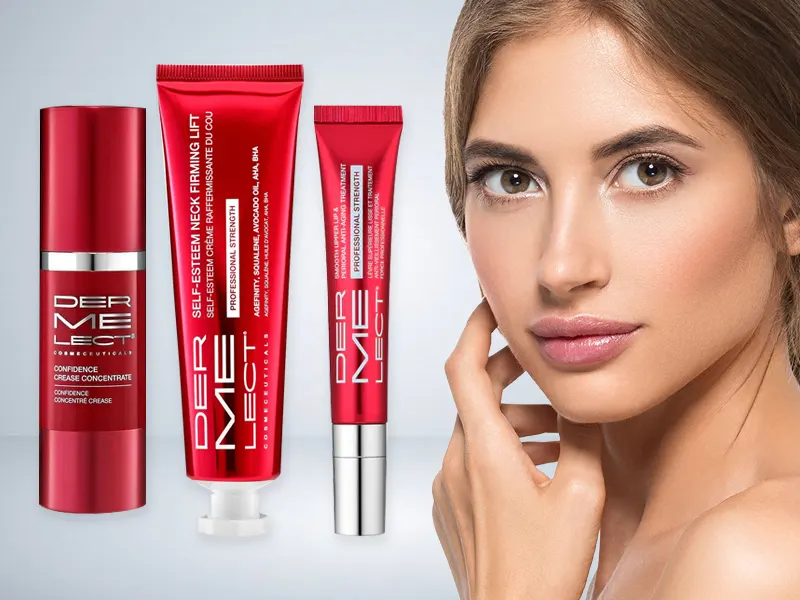
333 views
Introduction
Walk into any beauty store or scroll through social media, and you’ll notice a shift. Smaller, founder-led beauty brands are no longer niche—they are driving growth, shaping trends, and influencing how products are made and sold.
Recent data shows indie brands now account for about 32% of the U.S. beauty market, growing over three times faster than large companies.
This isn’t just a trend cycle. It reflects a deeper change in how people discover, evaluate, and trust beauty products.
This article breaks down what’s behind the rise of indie beauty brands, how they actually operate, and what it means for buyers, creators, and anyone entering the beauty space.
What Defines an Indie Beauty Brand Today
Indie beauty brands used to mean small, handmade, or “clean.” That definition has changed.
In 2026, an indie brand typically has:
- Founder-led decision-making (often personal story-driven)
- Fast product development cycles
- Strong digital-first presence (especially TikTok and Instagram)
- Direct communication with customers
- Focus on specific problems (acne, barrier repair, scalp health, etc.)
Unlike legacy brands, they are not built around mass appeal. Instead, they focus on niche relevance.
Market Growth: The Data Behind the Shift
The growth of indie beauty is not just visible—it’s measurable.
- Indie brands grew 22.3% year-over-year, compared to 6.1% for large brands
- In skincare, indie brands now represent about 41% of category sales
- Indie fragrance sales increased by over 46%, showing strong demand in newer categories
At the same time, the global beauty market continues expanding, with overall growth around 10% annually .
What This Means
- Consumers are open to switching brands more often
- Discovery is happening outside traditional retail
- Product quality and storytelling matter more than brand size
How Social Media Changed Product Discovery
From Advertising to Algorithm
A key driver of indie success is how products are discovered.
Platforms now recommend products based on behavior, not brand reputation. This has led to:
- Faster product visibility
- Shorter time from launch to retail expansion
- Increased importance of educational content
Brands that explain ingredients, results, and use cases clearly tend to perform better in algorithm-driven feeds.
Real Example: Fast Growth Cycle
A typical indie brand today can:
- Launch a product online
- Go viral through short-form content
- Sell out within days
- Secure retail partnerships within months
This compressed timeline did not exist a few years ago.
Product Trends Indie Brands Are Leading
Indie brands are not just following trends—they are creating them.
1. Skin Health Over “Anti-Aging”
The focus has shifted toward:
- Barrier repair
- Long-term skin health
- Microbiome-friendly formulas
Consumers now prefer “skin longevity” instead of aggressive anti-aging claims.
2. Biotech and High-Performance Ingredients
Popular ingredient categories include:
- Fermented ingredients
- Retinol alternatives like bakuchiol
- Exosomes and encapsulated actives
- Lab-developed biotech compounds
These are often introduced by indie brands before larger companies adopt them.
3. Simplified Routines
Consumers are moving toward fewer, multi-use products.
- Skin tints instead of full foundation
- Serum-based hybrids
- Multi-benefit moisturizers
This aligns with the broader trend of selective makeup use and minimal routines.
4. Expressive Makeup Returns
After years of minimal makeup, bold styles are returning:
- Glitter and shimmer products
- Smoky eye looks
- Nostalgic styles from early 2000s
Recent coverage shows a clear move toward experimentation again.
Why Consumers Trust Indie Brands More
1. Transparency
Indie brands often explain:
- Ingredient sourcing
- Formulation choices
- Expected results and limitations
This builds credibility, especially among informed buyers.
2. Founder-Led Storytelling
Many successful brands start from personal problems.
For example, one founder built a skincare product after being dissatisfied with existing formulas and scaled it into a profitable business with minimal initial investment.
This type of origin story creates stronger emotional connection.
3. Community Engagement
Instead of broad advertising, indie brands focus on:
- Smaller creator partnerships
- Direct feedback loops
- Product iteration based on user input
Research shows the fastest-growing brands prioritize consistent engagement over large influencer campaigns.
The Reality Check: Challenges Indie Brands Face
Indie growth is strong, but there are real limitations.
1. Customer Loyalty Is Lower
- Large brands still have higher repeat purchase rates
- Indie brands face more churn due to trend cycles
2. Retail Access Is Limited
Big companies still dominate shelf space:
- Up to 2–3 times more distribution in some categories
3. Viral Dependency
A brand can rise quickly—but also decline quickly if it loses visibility.
Cost Breakdown: Indie vs. Traditional Brands
Understanding pricing helps explain buying decisions.
Typical Indie Product Pricing
- Skincare serum: $18–$60
- Foundation or tint: $20–$50
- Specialty treatments: $30–$80
Why Prices Vary
- Smaller production scale
- Higher ingredient cost
- Limited bulk manufacturing
When Indie Is Worth It
Best for:
- Specific skin concerns
- Ingredient-focused routines
- Early adopters of trends
Less ideal for:
- Basic everyday products
- Long-term brand consistency
How to Choose the Right Indie Brand (Step-by-Step)
Step 1: Identify Your Skin Goal
Avoid browsing randomly. Define one clear need:
- Acne control
- Hydration
- Barrier repair
- Pigmentation
Step 2: Check Ingredient Logic
Look for:
- Active ingredient percentage
- Supporting ingredients (not just hero claims)
- Compatibility with your routine
Step 3: Evaluate Real Feedback
Focus on:
- Long-term reviews (4–8 weeks)
- Before/after consistency
- Skin type similarity
Step 4: Start With One Product
Do not switch your entire routine at once. Test:
- 1 product for 2–4 weeks
- Track visible changes
Non-Obvious Insights Most Articles Miss
1. Indie Brands Win in “Problem-Solution” Search
People don’t search for brands. They search for:
- “Best serum for damaged skin barrier”
- “Lightweight sunscreen for humid weather”
Indie brands often rank better because they target specific problems clearly.
2. Content Quality Is Now a Sales Driver
Educational content (not just aesthetic posts) performs better in 2026.
Brands that explain:
- How ingredients work
- Why formulas are designed a certain way
are more likely to convert buyers.
3. Wellness Is Blurring With Beauty
There is a growing overlap between:
- Skincare
- Supplements
- Mental well-being
This broader approach is reshaping how products are positioned and used.
Who Indie Beauty Is Best For
Ideal Users
- Skincare beginners looking for targeted solutions
- Users with specific skin concerns
- People interested in ingredient-level understanding
Not Ideal For
- Those who prefer stable, long-term brand consistency
- Users who want simple, no-research routines
- People sensitive to frequent product changes
FAQ
Are indie beauty brands better than big brands?
Not always. Indie brands are often more innovative and targeted, but large brands offer consistency, testing scale, and wider availability.
Why do indie brands go viral so quickly?
Because discovery is driven by algorithms. A single product can gain visibility quickly if it solves a specific problem and is explained clearly.
Are indie products safe?
Most are safe when used correctly, but always check ingredient lists and patch test. Smaller brands may not have the same testing scale as large companies.
Do indie brands last long-term?
Some do, but many depend on trends. The market changes quickly, and brand lifespan can vary.
Conclusion
Indie beauty brands are not replacing traditional companies, but they are reshaping how the industry works. Their growth is driven by faster product development, direct communication with users, and a stronger focus on solving specific problems.
For consumers, this creates more choice—but also requires more careful decision-making.
The most effective approach is not to follow trends blindly, but to understand what each product is designed to do and how it fits into your routine.
indie beauty brands
skincare trends
clean beauty
makeup startups
beauty entrepreneurs
glow skincare
niche cosmetics
beauty industry
viral skincare
independent makeup brands
Found this helpful? Share it!