Soft Glam in 15 Minutes: A Beginner-Friendly Guide
411 views
You know the feeling: you want polished makeup, but you don't want to spend 45 minutes blending eyeshadow, carving out your brows, and wondering why one side of your face suddenly looks different.
Soft glam doesn't have to be complicated.
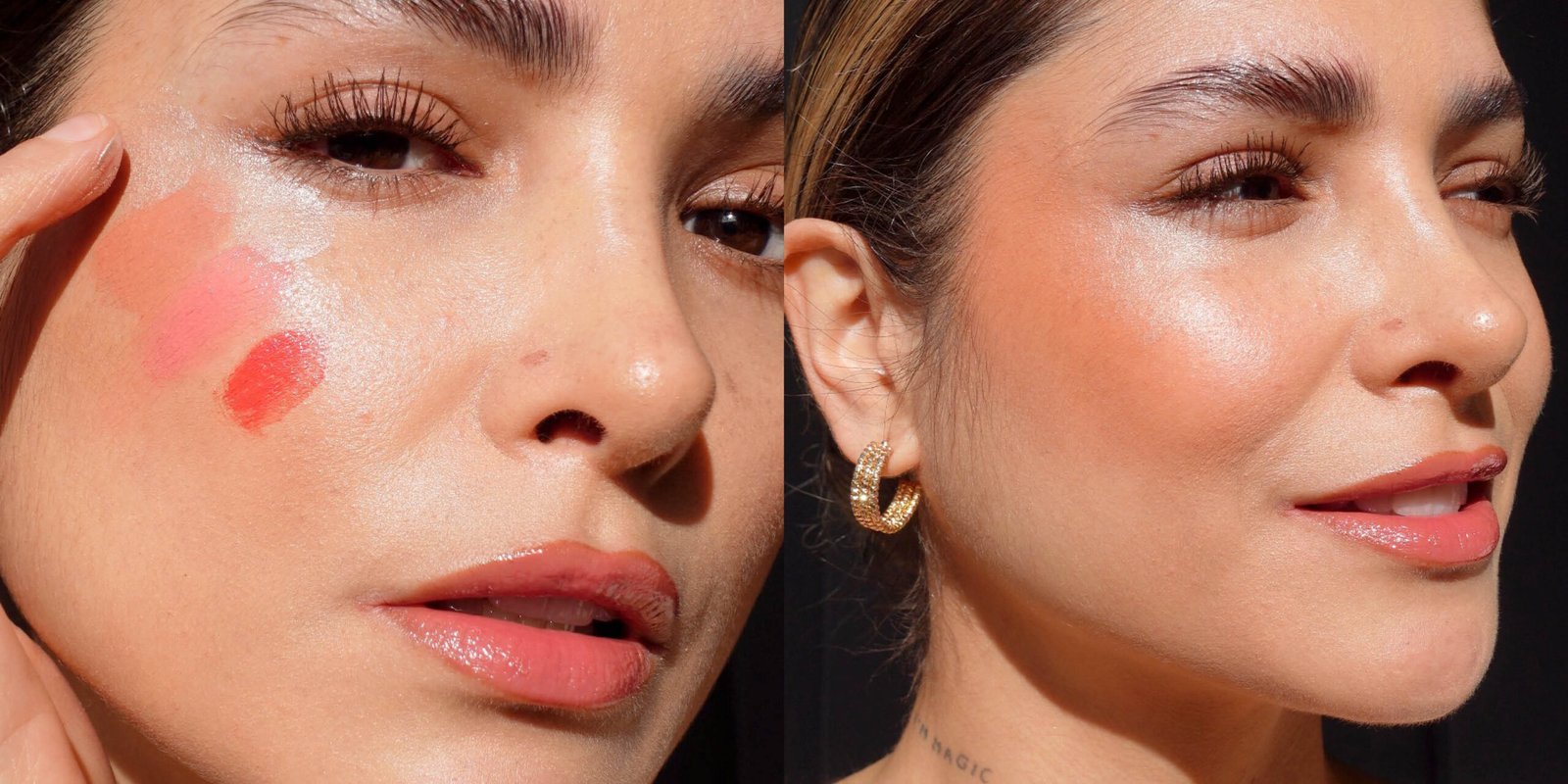
The modern version is much more forgiving. Skin still looks like skin, cheeks have gentle definition, the eyes are softly shaped rather than heavily smoked, and the lips add just enough color. Recent beauty trends have also moved toward lighter, fresher finishes, with minimalist lashes and blurred lips appearing alongside more traditional soft-glam techniques.
And yes, you can get there in about 15 minutes.
The trick isn't applying more makeup. It's knowing where a small amount actually matters.
What soft glam should look like
Think polished rather than perfect.
A typical beginner-friendly soft-glam look has five visual elements:
Even-looking, lightweight skin
Softly sculpted cheeks
Warm or neutral eyeshadow
Defined but not overly dramatic lashes
A nude, pink, mauve, or softly blurred lip
The finish can be matte, satin, or slightly dewy. You don't need an expensive collection of 15 products sitting on your bathroom counter.
In fact, too many products can make a 15-minute routine slower.
For a quick routine, I'd rather have one reliable skin tint, one concealer that matches well, one cream blush, a small neutral eyeshadow palette, mascara, and a lip product I already know works.
That's enough.
Minute 0–2: Prep the skin properly
Don't start putting foundation onto completely dry, unprepared skin just because you're in a hurry.
Wash or gently cleanse your face, apply your normal moisturizer, and use sunscreen during the daytime. Give the skincare a moment to settle before adding makeup.
If your skin tends to become oily around the nose and forehead, don't automatically cover your entire face with a heavy mattifying primer. Put it where you actually need it.
Dry skin usually benefits from a little more hydration. Oily skin may need less cream underneath makeup.
There isn't one universal prep routine.
For acne-prone skin, the American Academy of Dermatology recommends looking for makeup labeled “oil-free,” “won't clog pores,” or “non-comedogenic.” It also recommends removing makeup before bed rather than sleeping in it.
That little detail matters more than chasing the newest primer on social media.
Minute 2–5: Build a thin, even base
Here's where beginners often lose time.
They see redness or an uneven area and immediately add more foundation. Then the makeup becomes thick. Then they add more concealer. Five minutes later, they're trying to fix the problem they created.
Don't.
Use a lightweight foundation, skin tint, or similar base and apply a thin layer first. Concentrate coverage around the center of the face, then blend outward toward the cheeks and jaw.
A damp makeup sponge works well if you prefer a sheerer finish. A foundation brush can be faster once you've practiced with it.
Your neck and jawline matter, too. A beautifully matched forehead with an obvious foundation line underneath the jaw isn't soft glam. It's a makeup boundary.
Concealer goes where it earns its place
Use concealer selectively.
Under the eyes, place a small amount toward the inner corner and the darker area rather than painting a huge triangle underneath both eyes. Add another tiny amount only if you genuinely need it.
The same principle works for blemishes and redness.
Tap. Blend. Stop.
Soft glam gets its polished appearance from controlled placement, not layers of product.
Minute 5–7: Add warmth and blush
This is the part that can make a flat base suddenly look alive.
Apply a small amount of cream or liquid blush to the cheeks and blend upward toward the cheekbones. Rosy pink, muted peach, rose, mauve, and terracotta can all work beautifully; the best choice depends on your undertone and the rest of your makeup.
Don't begin with a giant blob.
Many highly pigmented liquid blushes spread farther than beginners expect. Put a tiny dot on the back of your hand first, pick up a little with your brush or sponge, then build.
For a slightly lifted appearance, keep most of the blush toward the upper portion of the cheek rather than pulling it too far toward the center of the face.
A touch of bronzer can add warmth around the temples, cheek perimeter, and jawline. You don't need dramatic contouring.
Soft glam isn't supposed to look like your face has been redrawn with a ruler.
Minute 7–10: Create the soft-glam eyes
Here's the shortcut: use three tones, not seven.
Start with a matte shade close to your natural skin tone across the lid and slightly into the crease. Add a medium brown, taupe, caramel, or mauve shade to the outer corner and crease.
Blend the edges.
Then add a small amount of satin or shimmer eyeshadow to the center of the lid or inner portion of the eye.
That's it.
If you're new to eyeshadow, don't drag a dark color all the way across the crease. Keep the deeper shade concentrated near the outer third of the eye, then soften the edge with your first shade.
For an especially quick version, a cream eyeshadow stick can replace several powder steps. Swipe it onto the lid, blend with a fingertip or brush, and leave the edges slightly diffused.
Brown eyeliner is another beginner-friendly choice. A thin, slightly smudged line usually looks softer than a perfectly sharp black liquid wing.
And if your eyeliner looks uneven?
Don't keep making both wings larger.
Remove the excess and start again.
We've all been there.
Minute 10–12: Brows and lashes without overdoing them
Brows don't need to be completely redrawn.
Brush the hairs upward with a clear or tinted brow gel, then fill only the visibly sparse areas with a pencil or fine-tipped product.
Follow your natural brow shape. A little asymmetry is normal.
For lashes, curl them if that's part of your routine and apply mascara from the roots toward the tips. One careful coat can be enough for daytime soft glam; add a second coat if you want more definition.
There's also a distinctly current option: skip mascara entirely or use a subtle brown formula. The “ghost lashes” trend emerging in 2026 reflects the broader move toward lighter, more natural-looking makeup.
Still, mascara remains perfectly appropriate for soft glam. Trends are suggestions, not laws.
One safety point is worth remembering: the FDA advises replacing mascara about three months after purchase and throwing away dried mascara rather than adding water or saliva to revive it. Eye cosmetics also shouldn't be shared.
Minute 12–14: Make the lips look finished
A complicated lip combination isn't necessary.
Choose a lip liner close to your natural lip color or slightly deeper. Outline the lips gently, then soften the line inward with your finger or a small brush.
Apply lipstick, tinted balm, lip stain, or gloss.
For a modern soft-glam effect, try a blurred lip instead of an extremely sharp outline. Concentrate the color toward the center and diffuse the edges slightly. This approach has been gaining attention as part of the current preference for softer, less rigid makeup finishes.
Nude pink works beautifully for everyday wear.
Mauve gives a cooler, sophisticated finish.
Peachy nude feels warmer.
A deeper rose or berry can turn the same 15-minute routine into evening makeup.
Minute 14–15: Set only what needs setting
Powder isn't automatically required everywhere.
If your cheeks look good with a natural finish, leave them alone. Lightly powder areas that crease or become shiny, particularly around the nose, forehead, or under-eyes.
Then use setting spray if you like the finish and wear time it provides.
Take a quick look in natural light.
Not bathroom lighting.
Natural light will reveal whether your foundation actually matches, whether the blush has been blended far enough, and whether your concealer has settled into fine lines.
If something looks too heavy, don't add another product to disguise it. Tap the area with a clean damp sponge and remove some excess.
The five-product emergency version
Running late?
Forget the full routine.
Use:
Skin tint or lightweight foundation
Concealer
Cream blush
Mascara or brow gel
Tinted lip balm or lipstick
Apply the blush to the cheeks and use the tiniest leftover amount on the eyelids if the formula is suitable for that area.
Suddenly, the entire face has color and dimension.
That's the beauty of simplifying placement.
Common beginner mistakes that ruin soft glam
Too much foundation
Heavy foundation can make skin look less natural, especially when paired with powder.
Start thin. Add coverage only where necessary.
Blush that's too low
Blush dragged toward the lower cheek can visually pull the face downward. Keep the strongest concentration slightly higher and blend outward.
Dark eyeshadow without enough blending
A small amount of brown that is properly diffused can look sophisticated. A large patch of unblended brown can look accidental.
Overlining the lips dramatically
Slight overlining can work, but going far outside the natural lip border often becomes obvious from the side.
Soft edges are more forgiving.
Trying every viral technique at once
This is a surprisingly common trap.
One tutorial says cream contour. Another says powder contour. Someone else adds three blushes, two highlighters, faux freckles, a lip stain, and a five-step eye look.
Your 15-minute routine has now become 38 minutes.
Pick a few techniques and repeat them until they become automatic.
A simple 15-minute order to memorize
Time | Step | Main goal |
|---|---|---|
0–2 min | Skin prep | Hydrated, comfortable base |
2–5 min | Base + concealer | Even appearance |
5–7 min | Blush + bronzer | Warmth and dimension |
7–10 min | Eyeshadow | Soft definition |
10–12 min | Brows + mascara | Frame the eyes |
12–14 min | Lips | Color and balance |
14–15 min | Powder + setting | Finish and tidy |
Once you've practiced this sequence several times, the biggest time saver isn't speed.
It's not having to think about what comes next.
Soft glam FAQs
Can I do soft glam without foundation?
Absolutely. A skin tint, BB cream, or concealer-only base can create a lighter result. If your natural skin already looks fairly even, covering it completely can actually make the finished look less natural.
What eyeshadow colors are easiest for beginners?
Start with neutral browns, taupes, soft caramel, rose, or muted mauve. They are generally easier to blend than very dark shades, and mistakes aren't as obvious.
Is soft glam suitable for oily skin?
Yes. Use thinner layers, allow skincare to settle, and powder strategically rather than coating the entire face. A long-wearing foundation or concealer can help if you need additional durability.
Can soft glam work on deeper skin tones?
Definitely. The technique doesn't depend on having a particular skin tone. The key is choosing enough pigment and selecting undertones that remain visible rather than turning gray or ashy. Current makeup ranges increasingly include deeper neutral, warm, and cool options, while makeup artists continue to emphasize pigment-rich formulas for deeper complexions.
How do I make the look last longer?
Thin layers are your friend. Let skincare settle, avoid excessive cream product, set areas prone to creasing or oiliness, and carry your lip product for a quick refresh later.
The easiest way to get better
Don't wait for a special event to practice.
Try this routine on an ordinary morning when you have nowhere important to be. Time yourself. Notice which step slows you down. Maybe blending the crease takes four minutes. Maybe matching foundation is the real problem. Maybe you're spending half your routine fixing your eyeliner.
That's useful information.
Next time, change only that one thing.
After a few attempts, 15-minute soft glam stops feeling like a tutorial and starts feeling like muscle memory. And that's when the look becomes genuinely effortless: not because you used fewer products by accident, but because you finally know exactly where each one needs to go.
soft glam makeup
beginner makeup guide
15 minute makeup
easy soft glam
natural glam look
quick makeup routine
everyday glam makeup
makeup for beginners
soft glam tutorial
simple glam makeup
Found this helpful? Share it!